What are the Implications of Piercings Setting off Metal Detectors?
Piercings setting off metal detectors is a relevant topic because it can have significant implications for those who are required to pass through them. For example, those who are employed in a secure workplace or venue, travelers who must pass through airport security, or individuals who are required to pass through metal detectors at court appearances or other legal proceedings. Knowing whether piercings set off metal detectors can help people plan ahead and avoid any unwanted delays or potential security issues. Additionally, understanding the potential implications of piercings setting off metal detectors can help people make informed decisions about their body modifications, as well as help businesses and security personnel to better prepare for such occurrences. This knowledge can also help people to better plan their attire when passing through metal detectors, as they may need to remove any jewelry or piercings before passing through them. Finally, this knowledge can help people to recognize when metal detectors may be malfunctioning, as piercings should not, in theory, set off metal detectors unless the device is malfunctioning.
The Technology Behind Metal Detectors
A metal detector is a device used to detect the presence of metal objects. It uses a combination of electrical and magnetic fields to identify and detect metal objects. Metal detectors use a transmitter to send an alternating current, which produces an alternating magnetic field. When a metal object is present, it disrupts the magnetic field, causing a change in the electrical field. This change is then detected by a receiver, alerting the user of the presence of the metal object. Metal detectors are used in a variety of applications, such as searching for hidden metals in walls, searching for lost coins or jewelry, and even in security applications, such as detecting weapons or explosives at airports. Metal detectors are able to detect a wide range of metals, including ferrous and non-ferrous metals. Ferrous metals are made up of iron-based alloys and are highly magnetic, while non-ferrous metals are not magnetic and are composed of other materials, such as aluminum, copper, or zinc. Metal detectors use multiple technologies to detect metal objects, including pulse induction, beat frequency oscillation, and electromagnetic induction. Pulse induction detectors use a short pulse of current to create an alternating magnetic field and detect metal objects. Beat frequency oscillation detectors use two alternating currents to produce a frequency which is then used to detect metal objects. Electromagnetic induction detectors use a coil of wire to produce an alternating magnetic field and detect metal objects.
The Impact of Piercings on Metal Detectors
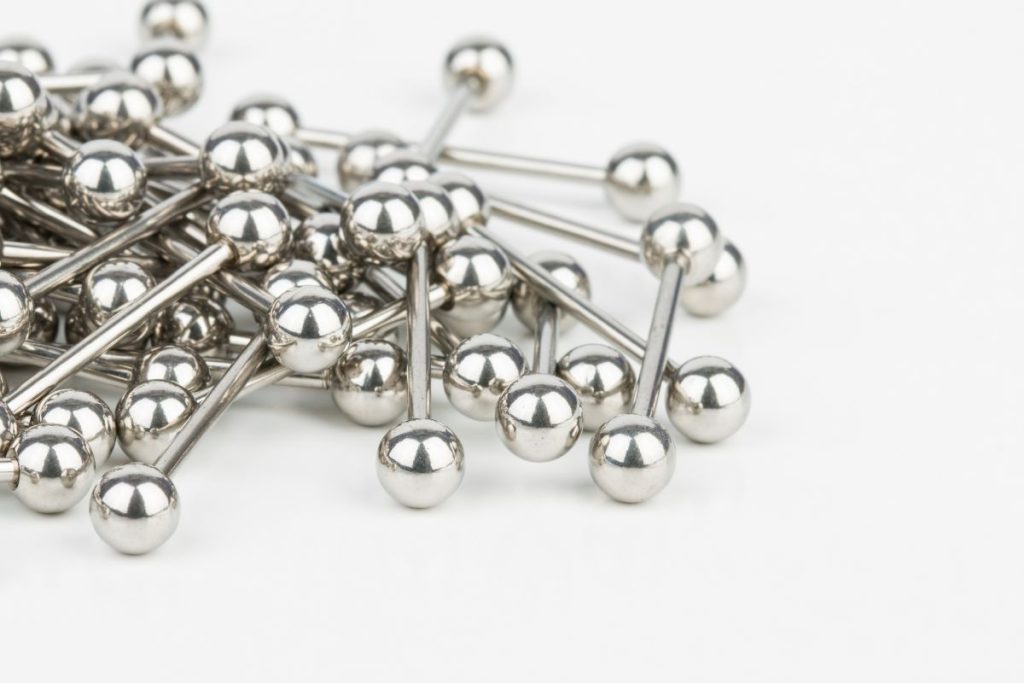
Piercings can set off metal detectors, depending on the type of metal that was used to make them. Most piercings are made of stainless steel, titanium, gold, or silver, all of which are metals that can be detected by metal detectors. Some piercings, such as those made of plastic or rubber, may not set off metal detectors. The size of the piercing, as well as its location on the body, may also affect whether or not it sets off a metal detector.
The implications of piercings setting off metal detectors can be far-reaching. For instance, if someone is going through airport security, their piercing may set off the metal detector and they may be required to go through further security checks. This can lead to delays and additional scrutiny, especially if the person does not have identification or proof of the piercing. Additionally, piercings can set off metal detectors at certain workplaces or other places that have metal detectors in place for security purposes, which can lead to scrutiny or even restrictions on the person wearing the piercing.
Factors Affecting Whether or Not Piercings Set Off Metal Detectors
Types of piercings vary from person to person and can range from relatively simple piercings such as earlobes, to more complex piercings such as cheek, septum and nose piercings. The materials used in constructing piercings also vary. Metal piercings such as barbells and rings are usually made of stainless steel, gold, or titanium. Non-metal piercings are often made of plastic, silicone, or glass. Whether or not a piercing sets off a metal detector depends on the type of piercing, the material used to construct it, and the sensitivity of the metal detector. Metal piercings are more likely to set off a metal detector because they contain metal. Non-metal piercings are less likely to set off a metal detector because they do not contain metal, though some non-metal piercings may contain small pieces of metal. Additionally, some metal detectors are more sensitive than others, so it is important to be aware of the sensitivity of the metal detector when considering whether or not a piercing will set it off.
The size of the piercing is also a factor that can affect detection. Larger piercings are more likely to be detected than smaller ones. The distance between the metal detector and the piercing also matters, as a detector that is farther away may not be able to detect the piercing.
The type of material used in the piercing can also affect detection. Metals such as silver and gold are more likely to be detected than non-metals such as plastic or wood. Additionally, the environment in which the metal detector is located can also have an impact. Metal detectors may be more likely to detect a piercing in an area with high metal content.
Common Objects Detected by Metal Detectors Metal detectors are used in many places like airports, prisons, and government buildings to detect any metal objects that a person might be carrying. Common objects that can set off metal detectors include jewelry, coins, watches, belt buckles, keys, and cell phones. These objects are typically made of metal or contain metal components. Jewelry is usually made of gold, silver, or other precious metals, while coins are made of copper, nickel, or aluminum. Watches are often made of stainless steel, while belt buckles are made of brass or other metals. Keys are usually made of steel, while cell phones often contain small metal components. Additionally, other objects like coins, keys, and belt buckles may have additional metal components like screws, pins, and bolts that can set off metal detectors.
Types of Jewelry to Avoid Detection by Metal Detectors
The best way to avoid having your piercing set off a metal detector is to remove it before entering an area with a metal detector. If you are unable to remove your piercing, there are certain types of jewelry that are less likely to set off a metal detector. Non-metallic jewelry made from materials such as titanium, gold, or plastic are less likely to be detected by a metal detector. Another option is to opt for more discreet jewelry such as labret studs or studs that are flush against the skin. Additionally, if you are wearing a body piercing, you can look for jewelry made from surgical steel, as this material is less likely to set off a metal detector. Finally, you can also look for jewelry that has a non-metallic coating, such as gold-plated jewelry, which is less likely to be detected.
Understanding the Legal Implications of Piercings Setting Off Metal Detectors
When it comes to the legal implications of piercings setting off metal detectors, it is important to consider the context in which it occurs. For example, if someone is going through a metal detector at an airport, they could be asked to remove any metal piercings that set off the detector as part of the security protocol. This is usually to ensure that no dangerous items are being brought into the airport. Similarly, in certain professional environments, such as courtrooms, metal piercings could be prohibited as they could be seen as a distraction or disruption. In some cases, people may be asked to remove their piercings in order to be allowed entry into a secure space. It is important to remember that metal detectors are in place to ensure the safety of the people in the space, and that piercings that set off the detector could potentially be a security risk. For this reason, it is important to be aware of the context in which piercings may set off metal detectors, and to be aware of the potential legal implications of setting them off.
Cleaning and Caring for Piercings to Avoid Setting Off Metal Detectors
Safety and care are paramount when it comes to piercings. Before getting a piercing, it is important to research the procedure and make sure it is done safely by a professional. Aftercare is also essential to ensure the piercing heals properly and does not become infected. Cleaning and caring for the piercing regularly can help to reduce the chances of it setting off metal detectors.
To prevent piercings from setting off metal detectors, it is important to avoid wearing jewelry with large amounts of metal. This includes large gauge metals or those with decorative elements. Additionally, any jewelry with magnets should be avoided, as the metal detectors may pick them up.
In addition to avoiding large metal jewelry, it is important to keep piercings clean and dry. Bacteria and dirt can build up on piercings, causing them to become inflamed and irritated. This can cause the piercings to set off metal detectors. It is important to clean the piercing regularly with saline solution and avoid using harsh soaps or lotions.
Finally, it is important to avoid exposing piercings to extreme temperatures. This can cause the metal to expand or contract, which can cause it to set off metal detectors. Additionally, it is important to check the piercing regularly for signs of irritation or infection. If any signs of irritation or infection are present, it is best to seek medical attention.
Understanding Metal Detectors and Piercings
In conclusion, piercings can set off metal detectors depending on the metal used for the piercing and the sensitivity of the metal detector. Piercings made from metal such as gold, silver, or white gold may not set off metal detectors as these are not as conductive as other metals such as steel or nickel. On the other hand, piercings made from steel or nickel are more likely to set off metal detectors due to their conductivity. Additionally, metal detectors with higher sensitivity will be more likely to detect the presence of metal piercings. Therefore, it is important to consider the type of metal used for the piercing as well as the sensitivity of the metal detector when determining whether or not a piercing will set off a metal detector.
For those looking for more information on this topic, there are a variety of resources available. The American Association of Professional Piercers offers a helpful guide on the types of piercings that can set off metal detectors. Additionally, the U.S. Transportation Security Administration provides information on what to expect at airport security checkpoints. Finally, the National Council on Radiation Protection and Measurements provides helpful advice on minimizing radiation exposure at metal detectors.