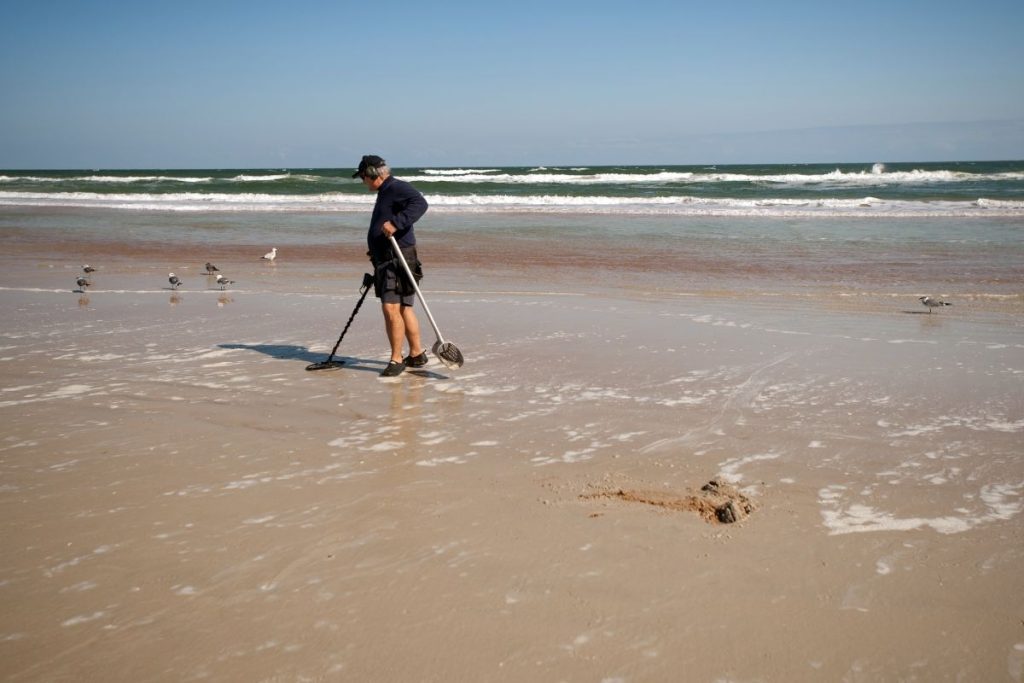
The Benefits of Using Metal Detectors Metal detectors are electronic devices that emit an electromagnetic field and are used to detect the presence of metal objects. They are used for a variety of purposes, such as security, military, industrial, and recreational. Metal detectors are especially useful for underwater searches, as they are able to detect even the smallest objects located at the bottom of a body of water. This is beneficial for a variety of reasons, such as the ability to search large areas quickly, the ability to detect objects that may otherwise be difficult to find, the ability to detect objects even in low visibility environments, and the ability to uncover objects that may otherwise be hidden or buried. Metal detectors can be used in a variety of settings, including rivers, lakes, oceans, and even in the deepest parts of the ocean. Metal detectors can also be used to detect objects such as coins, jewelry, artifacts, and other objects of interest. In addition, metal detectors can be used to detect hazardous materials and hazardous conditions, such as unexploded ordnance. Metal detectors can also be used to protect against theft, as they can detect any metal objects that may have been stolen.
The Technology Behind Metal Detectors metal detectors work by sending out electromagnetic radiation which then reflects off of metal objects. This reflected radiation is then analyzed by the metal detector to identify metal objects. Metal detectors can detect objects in a variety of underwater environments, including deep ocean environments, rivers, and lakes. They are used for searching for coins, jewelry, tools, and even weapons.
The technology behind metal detectors is complex and involves advanced electronics. The detector sends out a low-frequency radio signal and then measures the reflected signal. This reflected signal is then analyzed by the metal detector to determine if a metal object is present. The detector then sends out a higher frequency signal to determine the exact shape and size of the object. This signal is then amplified and sent back to the detector where it is analyzed and used to determine the size, shape, and location of the object.
The electromagnetic radiation used by metal detectors consists of both electric and magnetic fields which interact with the metal object and generate a unique signature that the detector can recognize. This radiation is able to pass through water and is used to identify metal objects even in deep ocean environments. The detector then sends out a signal that is tuned to pick up the unique signature of the metal object, allowing it to locate and recover the object.
Metal detectors are used in a variety of underwater situations including treasure hunting, searching for lost items, and locating shipwrecks. They are highly efficient and reliable tools which can help to locate and recover objects that would otherwise be impossible to find.
Underwater Metal Detecting Benefits
Metal detectors have several benefits when used underwater. They can be used to locate and recover objects that may have been lost or buried underwater, such as jewelry, coins, weapons, submerged vehicles, historical artifacts, and even wrecks. Metal detectors come in a variety of shapes and sizes, and can be used for both shallow and deep water searches. Pulse Induction (PI) metal detectors are more sensitive to metal objects at greater depths, while Very Low Frequency (VLF) metal detectors are better suited for shallow water searches, as they can detect objects at a greater radius. Metal detectors can also detect objects that may be buried under sediment or sand, and they can be used to search for objects in areas where visibility is poor due to murky or cloudy water. Furthermore, metal detectors can be used to map out wrecks and other underwater areas, creating a detailed picture of an underwater site, allowing for more precise searches or investigations.
Solutions for Metal Detection Underwater
When using metal detectors underwater, it can be difficult to accurately detect metal objects due to the increased water pressure, which can interfere with the signals sent and received by the metal detector. Additionally, other objects such as rocks, plants, and other debris in the water can interfere with the signals, making it difficult to accurately pinpoint the exact location of a metal object.
To address these challenges, one possible solution is to use specialized metal detectors designed for use underwater, which are designed to be more resistant to water pressure and use enhanced signal processing techniques to improve accuracy. These metal detectors typically have waterproof housings and can be equipped with various sensors and probes to help them detect metal objects in the water.
Another possible solution is to use sonar technology to detect the metal objects, although this is more expensive and can be difficult to use in deep water. Sonar uses sound waves to detect objects underwater, and can be used to detect larger objects such as sunken ships or metallic objects. However, sonar technology is more expensive than metal detectors and can be difficult to use in deep water due to the interference caused by the water pressure.
In conclusion, using metal detectors underwater can be difficult due to the increased water pressure and other objects that can interfere with the signals. However, by using specialized metal detectors designed for underwater use and sonar technology, it is possible to accurately detect metal objects and other objects underwater.
The Benefits of Using a Metal Detector Underwater
Metal detectors can provide a safe and secure way of locating items underwater. They use electromagnetic fields to detect metal objects in depths up to several meters. This makes them ideal for a variety of purposes, from locating lost coins to finding shipwrecks. Metal detectors are most effective when used in combination with other techniques, such as a scuba diver or a remotely operated vehicle. Metal detectors can help increase safety and security, as they can detect objects that may not be visible to the naked eye. The sensitivity of the metal detector can be adjusted to detect objects of different sizes and depths. Metal detectors are often used in conjunction with other search tools, such as sonar and underwater cameras, to increase the chances of locating items. They can be used to locate various types of metal objects, including coins, jewelry, and even large objects such as shipwrecks. Finally, metal detectors can be used in conjunction with other diving safety measures, such as proper buoyancy control and the use of dive lights, to ensure a safe and successful recovery of the items.